The allure of launching your own fashion brand is undeniable, and few garments hold the enduring appeal and cultural significance of denim. Crafting your own line of custom jeans offers a unique opportunity to blend timeless style with your brand’s distinct vision. However, unlike simpler apparel items, custom jean manufacturing is a complex endeavor, especially when you commit to “Made in USA” production.
This comprehensive guide is designed to navigate the intricate world of denim manufacturing in the United States. We’ll explore the ‘why’ behind domestic production, delve into the critical steps, examine cost considerations, and, most importantly, show you exactly where to get custom jeans made in the USA for your brand, ensuring authenticity and quality every step of the way.
The Enduring Appeal of Denim & The “Made in USA” Advantage
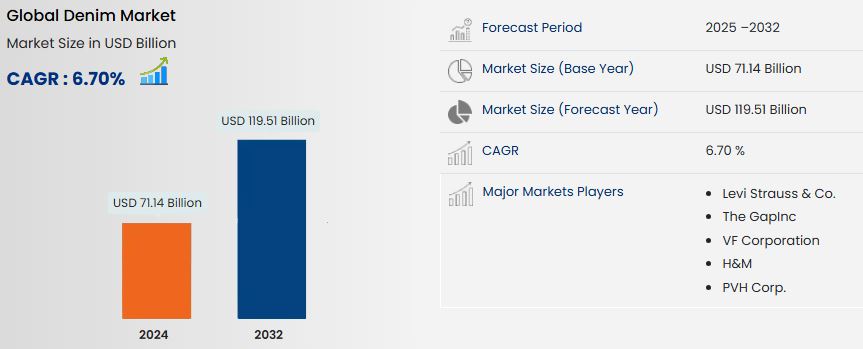
Jeans are more than just clothing; they’re a cultural icon, a symbol of rebellion, utility, and timeless style. The global denim market continues its robust growth trajectory. In 2024, the global denim market was valued at approximately USD 71.14 billion, with the denim jeans market alone estimated at USD 86.65 billion. Projections indicate sustained growth, with the global denim market expected to reach USD 78.18 billion in 2024 and expand to USD 119.51 billion by 2032, driven by rising demand for sustainable products, performance fabrics, and e-commerce expansion. (Source: Global Growth Insights, Grand View Research, Market Research Future). This robust market offers ample opportunity for new brands, especially those with a compelling differentiator.
Choosing to produce your custom jeans in the USA carries a significant value proposition that resonates with today’s conscious consumer:
- Superior Quality Control: Domestic production allows for closer oversight of every stage, leading to higher consistent quality and fewer defects. You can easily visit factories and communicate directly.
- Ethical Labor Practices: “Made in USA” ensures adherence to US labor laws, fair wages, and safe working conditions, appealing to consumers concerned about ethical sourcing. Recent surveys indicate that 70% of consumers find buying U.S.-made products at least somewhat important, and over half (51%) report this preference has grown in recent years. While 54% are willing to pay up to 10% more for U.S.-made goods, only about 17% would go beyond that, highlighting the importance of competitive pricing alongside the domestic origin. (Source: inFlow Inventory, DuraPlas Made in America Survey, Newsweek).
- Faster Turnaround Times: Reduced shipping times and streamlined communication with local manufacturers can significantly cut down production lead times, allowing for quicker response to market trends.
- Reduced Environmental Footprint: Shorter supply chains mean lower transportation emissions, aligning with growing consumer demand for sustainable practices. The sustainable fashion sector, which includes eco-friendly denim, is expected to grow from $6.5 billion to $10.1 billion by 2025. (Source: Colorful Socks).
- Strong Brand Story: Marketing “Made in USA” denim adds a powerful narrative of craftsmanship, local support, and heritage to your brand, appealing to a patriotic and quality-conscious customer base.
Understanding the Denim Manufacturing Journey
Creating jeans is a multi-step, specialized process far more intricate than, say, printing on a blank t-shirt. Familiarizing yourself with these stages is crucial for effective communication with manufacturers:
- Fabric Sourcing: Selecting the right denim fabric (raw, selvedge, stretch, organic, different weights).
- Pattern Making: Developing precise patterns for your desired fit and style (skinny, straight, bootcut, etc.).
- Grading: Scaling the patterns to different sizes.
- Cutting: Precisely cutting denim pieces from large rolls of fabric.
- Sewing: Assembling the numerous small pieces into a finished garment, requiring specialized machines and highly skilled operators for durable seams and specific stitching (e.g., chain stitch).
- Washing & Finishing: This is a crucial and highly specialized step unique to denim. It involves industrial washes, distressing, tinting, whiskering, and other treatments to achieve the desired look and feel.
- Hardware & Trims: Attaching buttons, rivets, zippers, leather patches, and custom labels.
- Quality Control: Rigorous inspection at various stages.
Key Considerations Before You Begin Your Custom Jean Line
Before you even reach out to manufacturers, refine these crucial elements for your brand:
Define Your Brand Identity & Niche:
- Target Customer: Who are you designing for? What are their demographics, lifestyle, and purchasing habits?
- Style & Aesthetic: Are your jeans vintage-inspired, modern minimalist, rugged workwear, high-fashion, or sustainable? Current trends for 2025 include wider silhouettes like barrel leg and palazzo jeans, a comeback of cuffed hems, and the denim debut of cargo styles. Deeper indigo shades and visible seams are also gaining popularity. (Source: DenimShow.com).
- Unique Selling Proposition (USP): What makes your jeans different? Is it an innovative fit, unique washes, specific ethical practices, or a specific type of denim?
Budget & Funding
Manufacturing custom jeans is a significant investment. Have a clear financial plan, whether it’s self-funded, through loans, or seeking investors. Apparel manufacturing startup costs in the USA can range from $5,000 to $30,000 or more for simpler lines, but for complex items like custom jeans, expect the initial investment to be on the higher end, potentially $15,000 to $50,000+ for a small run. (Source: Mega Apparel, The Evans Group).
Design & Technical Packs (Tech Packs)
These are non-negotiable for custom apparel. A comprehensive tech pack serves as the blueprint for your manufacturer. It should include:
- Detailed garment sketches (front, back, side views).
- Material specifications (fabric type, weight, wash details).
- Color swatches/Pantone codes.
- Stitching details (type of stitch, thread color, stitch per inch).
- Hardware specs (button size, rivet design, zipper type).
- Graded measurements for all sizes.
- Labeling and packaging instructions.
- Cost: Professional tech pack development for a complex garment like jeans can range from $500 to $3,000+ per style, depending on complexity and the designer.
Minimum Order Quantities (MOQs)
Due to the specialized nature of denim production, MOQs for custom jeans are generally higher than for simpler garments. While some larger factories may demand 500-1,000 pieces per style, smaller and more flexible USA manufacturers may offer MOQs as low as 50-300 pieces per style/wash. (Source: Eco-Garment, Hook and Eye UK, Seam Apparel). Be aware that adding features like a fly-front zip can push MOQs to 100 units or more.
Where to Find Custom Jean Manufacturers in the USA: Your Options
The USA boasts a strong, albeit specialized, denim manufacturing industry. Here are your primary avenues:
Full-Service Cut & Sew Denim Manufacturers
These factories handle the entire process, from pattern making and fabric sourcing to cutting, sewing, washing, and finishing. They are ideal for brands seeking complete customization and consistent quality.
- Pros:
- End-to-End Solution: One point of contact for the entire complex process.
- Expertise: Deep knowledge of denim construction, washes, and finishes.
- Quality Control: Often have rigorous QC processes in-house.
- Scalability: Can typically handle larger orders as your brand grows.
- Cons:
- Higher MOQs: Generally require larger initial orders compared to basic apparel.
- Higher Per-Unit Cost: Due to specialized labor, machinery, and all-inclusive services.
- Longer Lead Times: Especially for initial samples and first runs.
- Examples of USA Manufacturers (Research & Verify Current Services):
- FimyApparel (Los Angeles, CA): Known for design, development, and production of denim apparel.
- Factory 8 (Los Angeles, CA): A comprehensive apparel manufacturer capable of handling denim, from design to production.
- American Made Apparel Manufacturing (Denver, CO): Offers cut & sew services for various garments, including denim.
- Bluesign Denim (Los Angeles, CA): Specializes in sustainable and ethical denim manufacturing, often working with brands focused on eco-friendly practices.
- Indigo Mfg (Los Angeles, CA): Another LA-based manufacturer with experience in denim.
- How to Find Them: Utilize online directories like Maker’s Row, Sewport, or Apparel Entrepreneurship, focusing your search on “denim manufacturing,” “jeans production,” or “cut and sew denim USA.” Attend industry trade shows like Kingpins Show (denim-focused).
Denim Specialists & Consultants
If you have designs but need help with the technicalities of denim, consider working with a denim consultant or product development specialist. They can help create tech packs, source fabrics, and connect you with suitable manufacturers.
- Pros: Access to specialized denim expertise, can bridge the gap between design and production.
- Cons: Adds an extra layer of cost for consulting fees.
- How to Find Them: Look for denim development agencies, freelance technical designers specializing in denim, or reach out through industry networks.
Small-Batch & Artisanal Workshops
For ultra-premium, niche, or truly unique custom jeans, you might find small-batch workshops that focus on handcrafted quality, often using traditional techniques like shuttle loom selvedge denim.
- Pros: Unparalleled craftsmanship, unique details, strong storytelling potential (e.g., “handmade in Brooklyn”). Very low MOQs, sometimes even single-digit runs.
- Cons: Very high per-unit cost, limited production capacity, longer lead times due to manual processes.
- How to Find Them: Often discovered through local fashion communities, specialized denim forums, or direct referrals.
The Detailed Manufacturing Process for Custom Jeans
Once you’ve chosen a manufacturer, here’s a closer look at the steps:
Design & Technical Pack Development
This is your blueprint. The tech pack must be exceptionally detailed for jeans due to their complex construction. It guides everything from seam allowance to button placement. Ensure all measurements are precise and all desired finishes are clearly specified.
Fabric Sourcing: The Heart of Your Denim
Your manufacturer can help, or you can source independently.
- Raw Denim: Unwashed, stiff, fades uniquely over time.
- Selvedge Denim: Woven on old shuttle looms, produces a clean “self-edge” (often seen when cuffed). Highly prized for quality and heritage.
- Stretch Denim: Blended with elastane for comfort and flexibility.
- Organic/Sustainable Denim: Made from eco-friendly cotton, recycled cotton, hemp, or even innovative materials like coffee grounds and banana fiber, which are rising trends for 2024-2025. Brands like Levi Strauss & Co. are integrating recycled cotton, and Pacific Jeans launched a line blending 60% recycled cotton with banana fiber. (Source: Textile Today).
- USA Denim Mills (Historical & Modern): While famous mills like Cone Mills’ White Oak plant have transitioned, their legacy lives on. Smaller, specialized mills and importers of high-quality denim remain. Your manufacturer will have established relationships.
Sampling & Prototyping
This is an iterative process. You’ll move through several rounds:
- Proto Sample: First version based on tech pack.
- Fit Sample: Tested on live models to refine fit and comfort.
- Photo Sample: Final version for marketing.
- PP (Pre-Production) Sample: Final approved sample before mass production.
- Cost: Each sample can cost $100-$500+, and you’ll likely need multiple revisions.
Cutting & Sewing: The Craft
Denim is a heavy, unforgiving fabric that requires specialized industrial cutting tables and sewing machines. Skilled operators are crucial for precise pattern matching, durable seams (like flat-felled seams), and intricate details such as fly construction, pockets, and belt loops. This stage largely dictates the quality and longevity of your jeans.
Washing & Finishing: The Denim Alchemy
This is what gives jeans their character. It’s done in industrial laundries and involves:
- Enzyme Washes: Softens denim.
- Stone Washes: Uses pumice stones for a worn look.
- Tinting/Dyeing: Adding subtle color hues.
- Distressing: Ripping, fraying, holes (often by hand or laser).
- Whiskering & Fades: Creating lines and lighter areas that mimic natural wear.
- Sustainable Finishing: Newer technologies use less water and chemicals (e.g., laser distressing, ozone washing, foam dyeing, water recycling). Brands like AG Jeans are leaders in using such sustainable technologies in the US. (Source: Textile Today, Colorful Socks). These innovations can reduce energy consumption per jean unit significantly, with some brands cutting it to 1.393 kWh per unit compared to an industry average of 3.1 kWh.
Hardware & Trims
These small details significantly impact quality and branding.
- Buttons & Rivets: Custom-branded hardware adds a premium touch.
- Zippers: YKK is a trusted industry standard for quality.
- Patches: Leather patches (often debossed with logo) are common for branding on the waistband.
- Labels: Woven labels for waistbands, care labels, and hang tags.
Quality Control & Packaging
Your manufacturer should have rigorous QC processes. This includes inspecting seams, hardware, washes, measurements, and overall craftsmanship. Discuss their QC standards upfront. Finally, your jeans will be pressed, folded, and packaged according to your specifications.
6. Budgeting for Your Custom Jean Line in the USA
Manufacturing jeans is a significant investment due to specialized machinery, skilled labor, and complex processes.
Initial Setup Costs:
-
- Design & Tech Packs: $500 – $3,000+ per style.
- Samples & Prototypes: $300 – $1,500+ (for 2-3 rounds of samples).
- Fabric Minimums: Mills often have high MOQs for fabric, which can be an upfront cost even if the garment MOQ is lower.
- Hardware Tooling (for custom buttons/rivets): $200 – $500+ one-time fee per custom piece.
Production Costs (Per-Unit)
Can range from $35 – $70+ per pair for custom cut-and-sew jeans, depending heavily on:
-
- MOQ (lower MOQ = higher per-unit cost).
- Fabric type (selvedge is more expensive than conventional denim).
- Design complexity (more panels, intricate stitching, unique pockets).
- Wash & Finishing treatments (complex washes add cost).
- Hardware customization.
Total Initial Investment
For a truly custom jean line, expect a startup budget of at least $15,000 – $50,000+ for your initial small production run (e.g., 50-100 pieces across a few sizes/washes), covering development and production. This does not include marketing, website, or operational costs.
Marketing Your “Made in USA” Denim Brand
Your “Made in USA” label is a powerful marketing asset.
- Emphasize Craftsmanship: Highlight the quality, durability, and attention to detail that comes with domestic production. Share behind-the-scenes glimpses of the manufacturing process.
- Storytelling: Tell the story of your denim – from the mill (if you know it) to the hands that sew each pair. Connect with the values of ethical labor and local support.
- Target Audience: Focus on consumers who value quality, sustainability, and authenticity. This often includes denim enthusiasts, eco-conscious buyers, and those seeking premium, long-lasting apparel. The upcycled denim market, for instance, was valued at $491.07 million in 2024 and is projected to nearly double to $895.56 million by 2032, reflecting a growing consumer interest in circular fashion. (Source: Colorful Socks).
- Visuals: Invest in high-quality product photography that showcases the texture of the denim, the intricacies of the stitching, and how the jeans fit on diverse body types. Lifestyle shots are crucial.
- Transparency: Be transparent about your sourcing and manufacturing processes. This builds trust with your audience.
Conclusion: Crafting Your Denim Legacy
Starting a custom jean line in the USA is a challenging yet incredibly rewarding endeavor. It demands a significant investment of time, capital, and a deep understanding of the denim manufacturing process. However, the payoff is a unique, high-quality product that resonates deeply with a growing segment of consumers who value ethical production, superior craftsmanship, and the authentic story behind their clothes.
By meticulously planning, choosing the right manufacturing partner, and proudly marketing your “Made in USA” commitment, you can establish a successful and respected custom denim brand that stands the test of time, much like a perfectly worn pair of jeans.